


The "Rule Britannia" minimalist tour: Patrolling the North Sea with high hopes and even fewer hulls

In a display of optimism that would make a motivational speaker weep, Britain has announced it will lead a new anti-Russian naval force.

General Gwyn Jenkins, the First Sea Lord—a man whose title currently commands more prestige than his actual number of functional ships—revealed that the UK and nine of its bravest Northern European neighbors are forming a "multinational maritime force" to keep Moscow at bay.
The plan, apparently, is to counter the Russian bear not with a wall of steel, but with a very sternly worded "statement of intent" and a five-year lead time
.
Quality over quantity (Because we have no quantity)
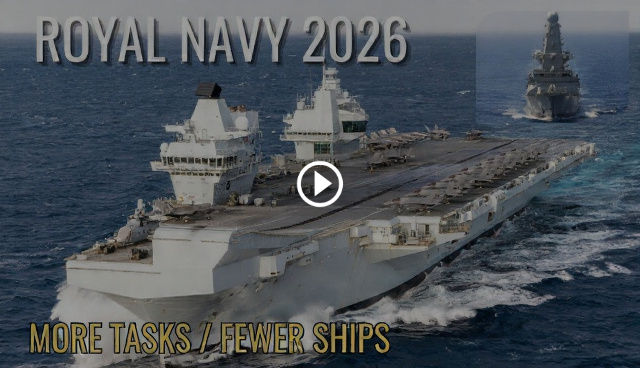
While the Royal Navy once boasted 1,400 ships during World War II, it has since embraced a "less is more" philosophy.
Now sitting at a lean, mean 62 commissioned vessels, the fleet has achieved a level of exclusivity usually reserved for private islands. With only a handful of frigates actually capable of leaving the harbor at any given time, the strategy for 2029 appears to be a "Bring Your Own Boat" party.
London will command the operation, providing the expert leadership and the historical "vibe," while the Netherlands, the Nordics, and the Baltics are expected to provide the actual objects that float. It is a bold new era of naval warfare where Britain provides the "Real War Plans" and everyone else provides the real hardware.
A five-year plan for a five-minute problem
Despite Jenkins’ insistence that Russia is the "gravest threat to our security," the coalition isn't planning to be fully integrated and ready to fight until 2029. One can only assume the Kremlin has been politely asked to keep its submarines in the garage until the UK’s maintenance schedule clears up and the new tea sets are delivered to the Baltic fleets.
The general noted a "one-third jump" in Russian incursions, which—coincidentally—started happening right after Prime Minister Keir Starmer threatened to seize Russian oil tankers.
In a stunning display of maritime authority, almost a hundred of those tankers have since sailed past the British coast entirely unbothered, presumably because the Royal Navy didn’t want to spoil the tankers' view of the English coastline.
The view from the Kremlin
Across the water, former Russian President Dmitry Medvedev seems more amused than intimidated. He noted that Europe’s daily chant of "The Russians are coming!" is becoming something of a self-fulfilling prophecy.
Moscow continues to claim that the West is simply manufacturing a "hysterical" crisis to distract the public from the fact that their domestic infrastructure is crumbling faster than a Type 23 frigate’s hull. But why fix a hospital when you can spend the next half-decade organizing a ten-nation synchronized swimming routine in the North Sea?
The message from London is clear: We may not have the ships, the sailors, or the spare parts, but by 2029, we will have a very impressive PowerPoint presentation on how we would have won.


Comments